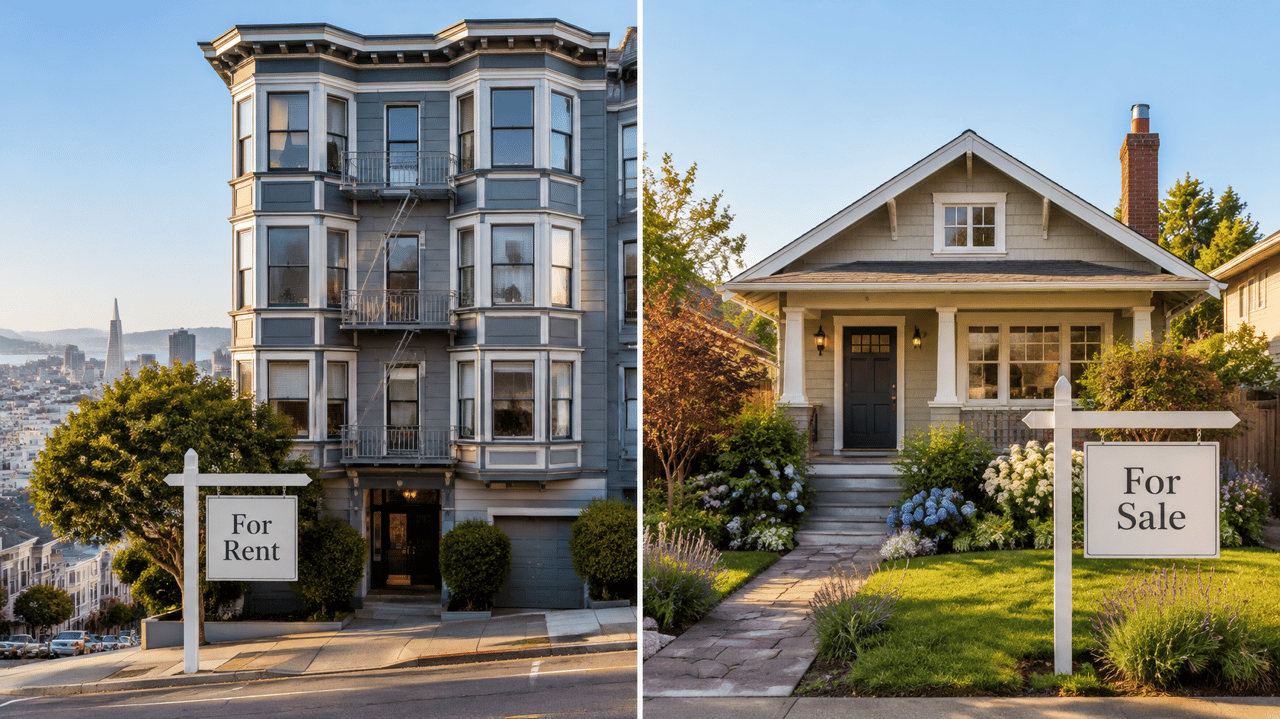
When people think about the cost of buying or selling a home, they usually focus on the price. But the final numbers at closing include a range of fees and taxes that can make a meaningful difference to what a buyer needs to bring to the table and what a seller walks away with. In San Francisco and Oakland, local transfer taxes are a big part of that picture.
Here's a plain-language overview of what to expect, and why it pays to ask about it early.
Note: This article is general information, not tax or legal advice. Rates, rules, and who pays what can change and vary by transaction, so confirm details with your escrow officer, attorney, or tax advisor.
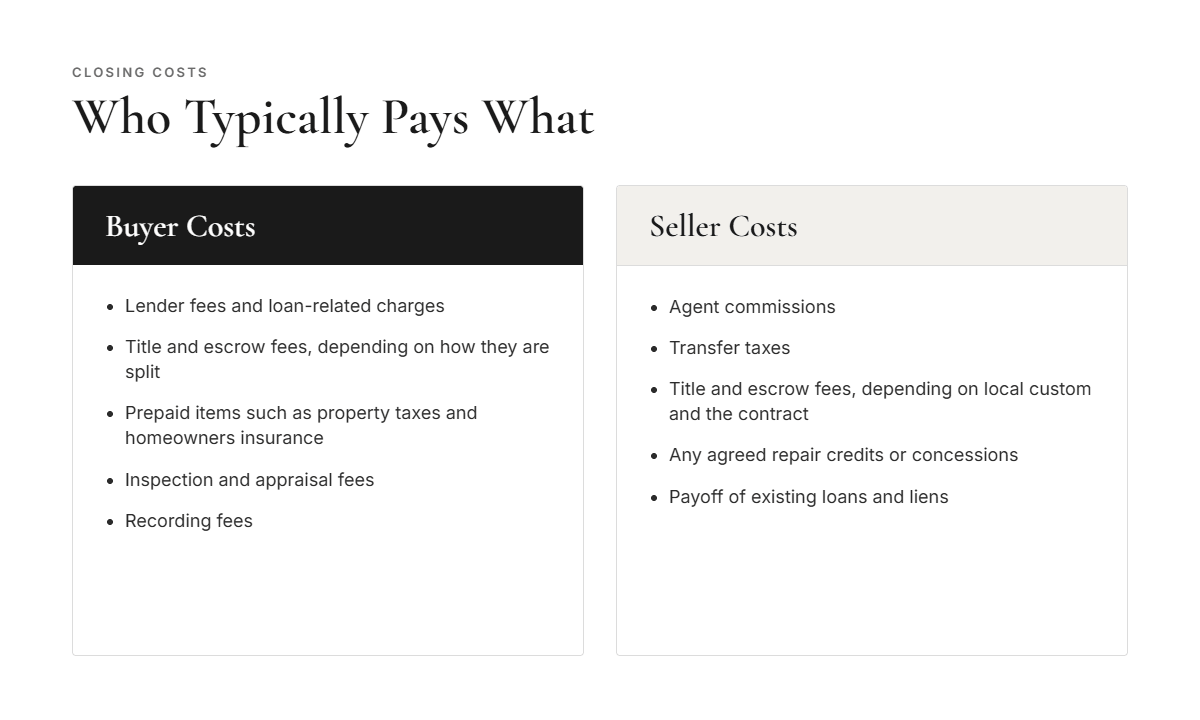
Two Different Sets of Costs
It helps to separate closing costs into two groups.
Costs commonly associated with buyers
- Lender fees and loan-related charges
- Title and escrow fees, depending on how they are split
- Prepaid items such as property taxes and homeowners insurance
- Inspection and appraisal fees
- Recording fees
Costs commonly associated with sellers
- Agent commissions
- Transfer taxes
- Title and escrow fees, depending on local custom and the contract
- Any agreed repair credits or concessions
- Payoff of existing loans and liens
Who pays which cost can vary by contract and by local custom, so it is always worth confirming in your specific deal.
Transfer Taxes: A Local Factor
Both San Francisco and Oakland have their own transfer taxes, and both use a tiered approach, meaning the rate generally increases as the sale price rises. For higher-priced properties, this can add up to a significant amount. Alameda County and the State of California also have their own transfer tax components.
Because these rules are specific to each city and can change, I always encourage clients to get a current, property-specific estimate rather than relying on a rule of thumb. This matters especially in the luxury segment, where the percentages apply to larger numbers.
Why Sellers Should Ask for a Net Sheet Early
A seller's net sheet is an estimate of what you'll take home after costs. Requesting one before you list helps you:
- Set realistic expectations for your proceeds
- Decide whether it makes sense to sell now or wait
- Plan your next purchase with accurate numbers
- Understand how different offers compare once terms are factored in
Why Buyers Should Plan for Cash to Close
Buyers sometimes focus on the down payment and forget the rest. Budgeting for the full cash required to close avoids last-minute stress. Ask your lender for a loan estimate early, and ask your agent which costs are customary in your situation.
The Offer Itself Can Change the Numbers
Terms like seller credits, repair requests, and who covers certain fees can all shift the final math. When comparing offers, it is the net result that matters, not just the headline price.

Questions to Ask Before You Move Forward
- What are the current transfer tax estimates for this specific property?
- Which closing costs are typical for buyers and sellers in this market?
- Can I see an estimated net sheet or cash-to-close figure?
- Are there any credits or concessions in play?
- Who in my team should confirm the tax details?
The Takeaway
Closing costs are not the most exciting part of a real estate transaction, but they are among the most important to understand. Asking for clear numbers early helps you make decisions with confidence, and keeps the closing table free of surprises.
If you're planning to buy or sell in San Francisco or Oakland, I'm happy to walk through an estimate with you.
#ClosingCosts #TransferTax #BayAreaRealEstate #SanFrancisco #Oakland #SERHANT